> home <
Daljina is a composition performed in the Nikolaïkerk in Utrecht by the Neon choir and our own ganga choir. Inspired by the acoustic environment that shapes the way we communicate, Daljina is a performance presenting a dialectic between two approaches of covering distance with sound. One of these approaches is represented by a loud singing style of the central Balkans suitable for long-distance communication in the mountains - while the other approach bridges the gap using acoustic amplification. Close your eyes and explore the distance between you and the voice of the choir.
KNOK DIDA
is a musical performance/ battle using boxing gloves as musical instruments.
The gloves trigger samples and using this generate a composition during the four boxing rounds.
Performed during the opening of Maria Pérez - Lozao's residency at Expo Bart.
plaatviool (plate-violin)
is an electroacoustic installation and instrument inspired by physical modelling synthesis.
It consists of a transducer and a movable contact microphone mounted on a metal sheet. The
sound
captured by
the contact microphone is processed using Karplus-Strong synthesis and fed back to the
transducer,
effectively making the vibrational modes of the metal plate audible.
The result is a complex, generative soundscape composed of the overtones of the plate's
natural
frequencies.
The plaatviool also has an electrical monochord controller to determine the specific pitch
of the
Karplus-Strong synthesis, this extra control makes it a two player instrument which also
works as an
installation (0-1 players).
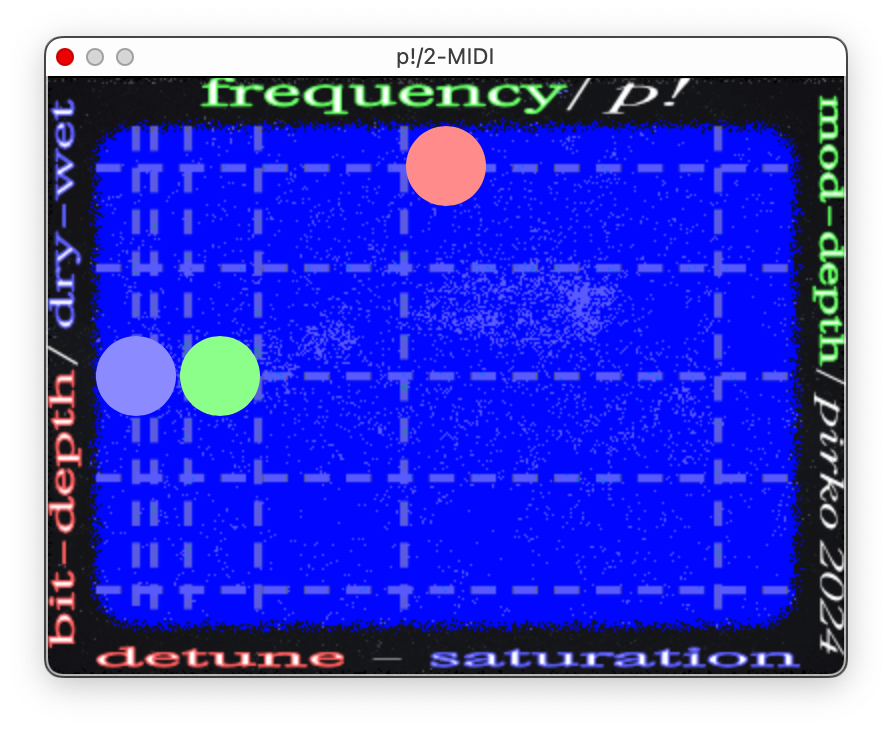
p!
is a VST effect plugin which alters sounds in three dimensions. It uses a combination of pitch-shifting and bit-crushing to add textures and harmonics to the input sound.
To download a universal MacOS build click here.
Hear the plugin in action in this track by Syd Yap:
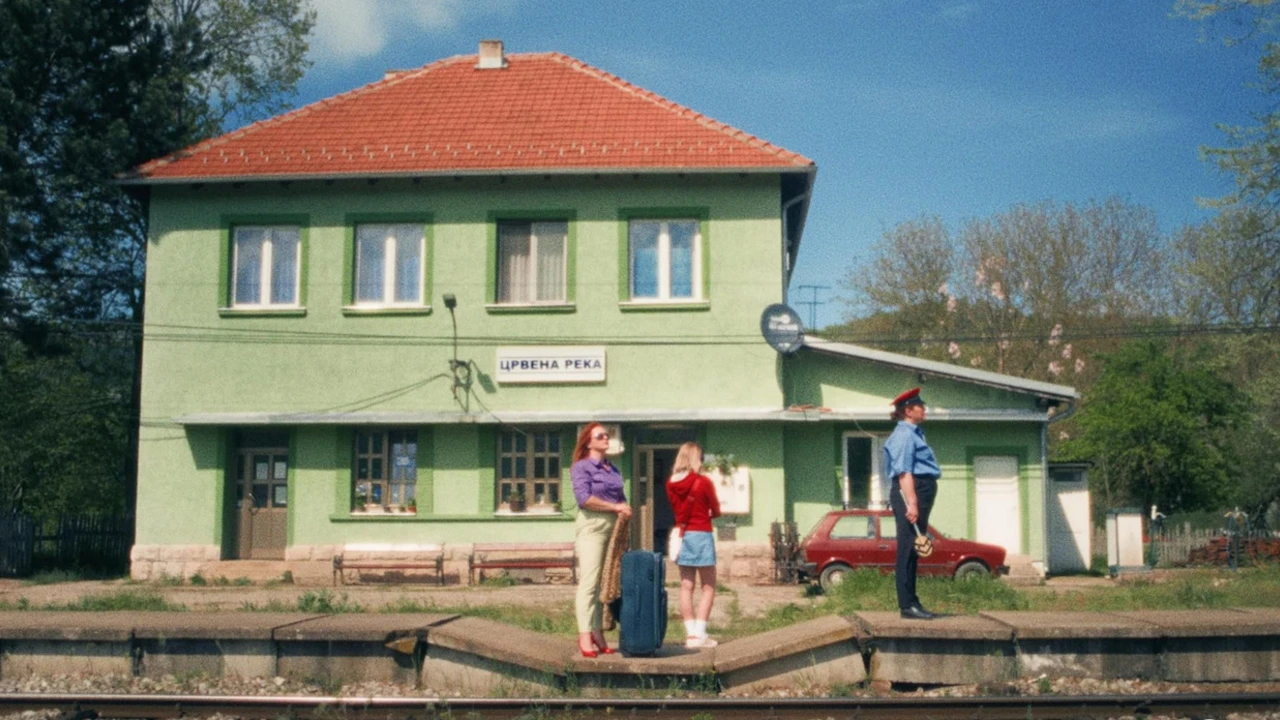
The soundtrack of
Three Women
Named Svetlana
, a short film by Natalia Boorsma.
The music is inspired by the rich musical history of the Balkan region.
Click here for the IMDB page of the film.

orgulje
is a digital organ built using web technologies. It is played using the keyboard and is based on Arvo
Pärt's Tinntinabuli compositional technique.
Play the instrument here.
Wittgenstein
vs. Wittgenstein
is a Markov model based on the
early vs. late philosophy of Ludwig Wittgenstein.
The text is generated using his two main works: the Tractatus Logico-Philosophicus and the Philosophical
Investigations.
Users can type two or more words and then the model will generate a (at this stage nonsensical) text
based on the input.
Try it out here.